Why Domestic Violence Awareness Month Makes a Difference: written by the Education and Outreach Coordinator - Maira Rodriguez

Keeping their memory alive with love and light.

Somewhere, a small child gathers the broken pieces of a dinner plate from the kitchen floor after watching it be carelessly and savagely ripped from their mother’s hands.

Somewhere, a young boy stands defiantly, fists clenched, afraid that his father’s next blow, meant for his mother, might land on him instead.

Somewhere, a high school sophomore stays up late, wondering what he could have possibly done wrong this time to provoke his girlfriend’s relentless anger.

Somewhere, someone has learned to believe that all love hurts, but hopes that maybe, just maybe, they will get it right one day.

 

Domestic Violence Awareness Month (DVAM) is here once again. Observed every October across the United States, DVAM serves as a reminder that domestic violence affects individuals, families, and communities in ways that are often unseen. While the themes may change from year to year, the mission remains the same: to remind survivors that they are not alone and that help is available. Organizations like Tu Casa, Inc. are here to help.

This year’s campaign themes, “Every1 Knows Some1” and “Survivors Deserve Action,” remind us that domestic violence is closer to home than many people realize and that awareness must be accompanied by action.

Although this work is done year round at our office, October has become the month to ramp up our work and community outreach efforts. The month is packed with tabling at events intended to educate the public about our services. It's also a great way to get valuable, and often life changing information, such as contact information to DV shelters such as our own, out into the community. 

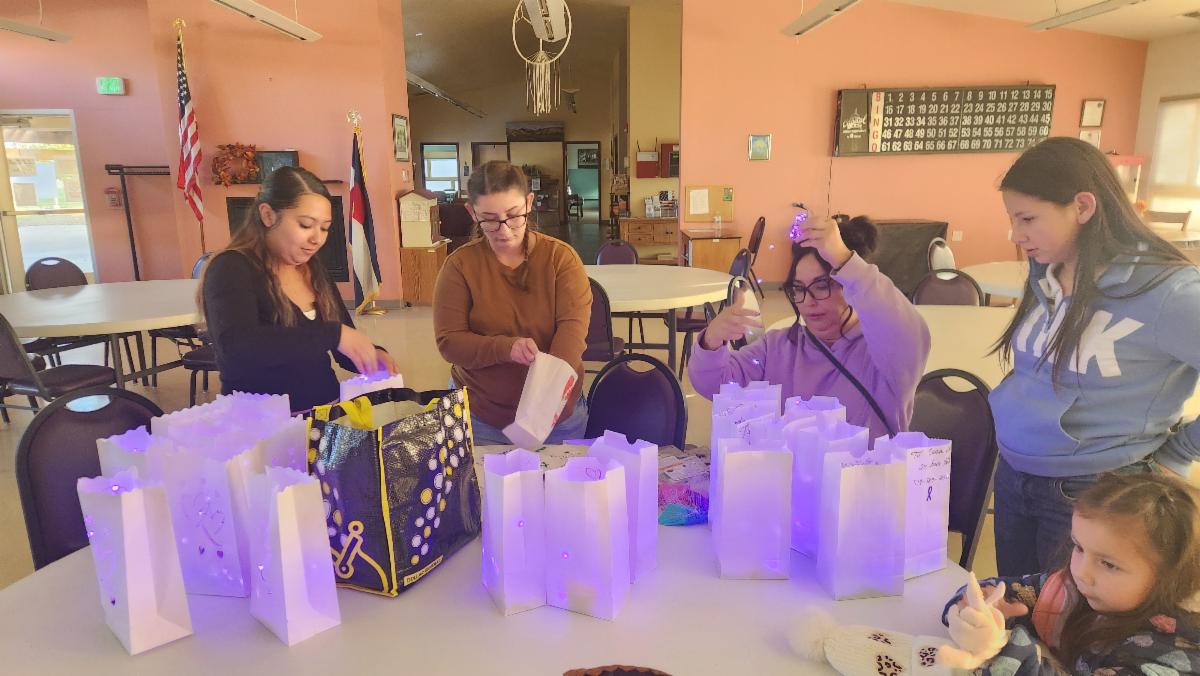
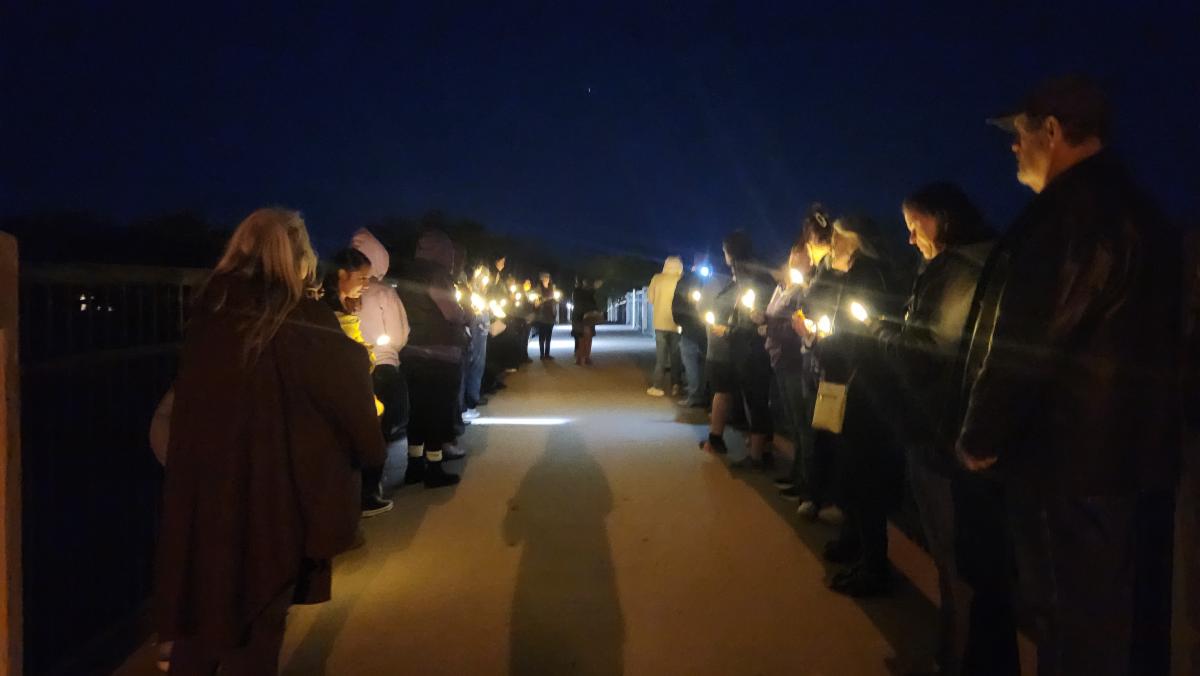
DVAM is also a time to highlight the history of domestic violence awareness, share important statistics, and create space for survivors to share their stories of hardship, healing, and survival. It is the time of year when we gather for our Light Up the Night event to commemorate those who have lost their lives to domestic violence and shine a light of hope for those who may still be navigating an abusive relationship.

DVAM also creates opportunities for our Education and Outreach Coordinator to visit schools and teach young people how to recognize unhealthy relationships early. These conversations help break the silence that so often surrounds abuse, and encourage young people to understand what healthy relationships should look and feel like.

We use DVAM as a reminder to our communities that silence and looking the other way will not make domestic violence disappear. Denial will not protect us from it, and believing that it only happens to other people will not make us immune. Domestic violence can affect anyone, regardless of age, background, or circumstances. Recognizing this reality is an important step toward prevention and change.

Here at Tu Casa, Inc. we understand that there is much more to helping survivors than passing out purple swag at events and resharing Facebook posts about DV. As the frontline workers dealing with these issues on a daily basis, we want to educate the community on what safety plans look like and what to do if someone needs legal advice, or help filling out paper work. We know how to encourage survivors to regain their independence and to make their own choices.

Here are a few meaningful ways you can help:

  • Learn how to offer safe support. If someone experiencing abuse needs to contact a domestic violence shelter or law enforcement, consider whether they could safely use your phone or another device. Technology can be monitored by an abusive partner, so always consider the survivor’s safety and preferences before offering assistance.

  • Help someone explore a safety plan. If a survivor is considering leaving an abusive relationship, encourage them to connect with one of our advocates.

  • Share important resources. Keep Tu Casa, Inc.’s number 719-589-2465, and the National Domestic Violence Hotline 1-800-799-7233, accessible. 

  • Donations help organizations like Tu Casa, Inc. provide direct support. 

There is so much each of us can do to help, and it is always the right time to make a meaningful difference in someone’s life.

At Tu Casa, Inc., we are deeply grateful to our community for its unwavering support, to our partners who consistently show up for survivors and help meet needs beyond what we can provide, and to everyone who continues to stay informed, engaged, and connected to our work.

Thank you for standing with survivors. Thank you for helping us build a community rooted in awareness, prevention, and action.

Domestic violence awareness does not end in October. Neither does our commitment to survivors.


24-Hour Hotline : 719-589-2465 | 202 Carson Ave. Alamosa
 

A TCI BLOG:

The History of Child Abuse Prevention Month and the Crucial Role of the Children’s Advocacy Center of the SLV


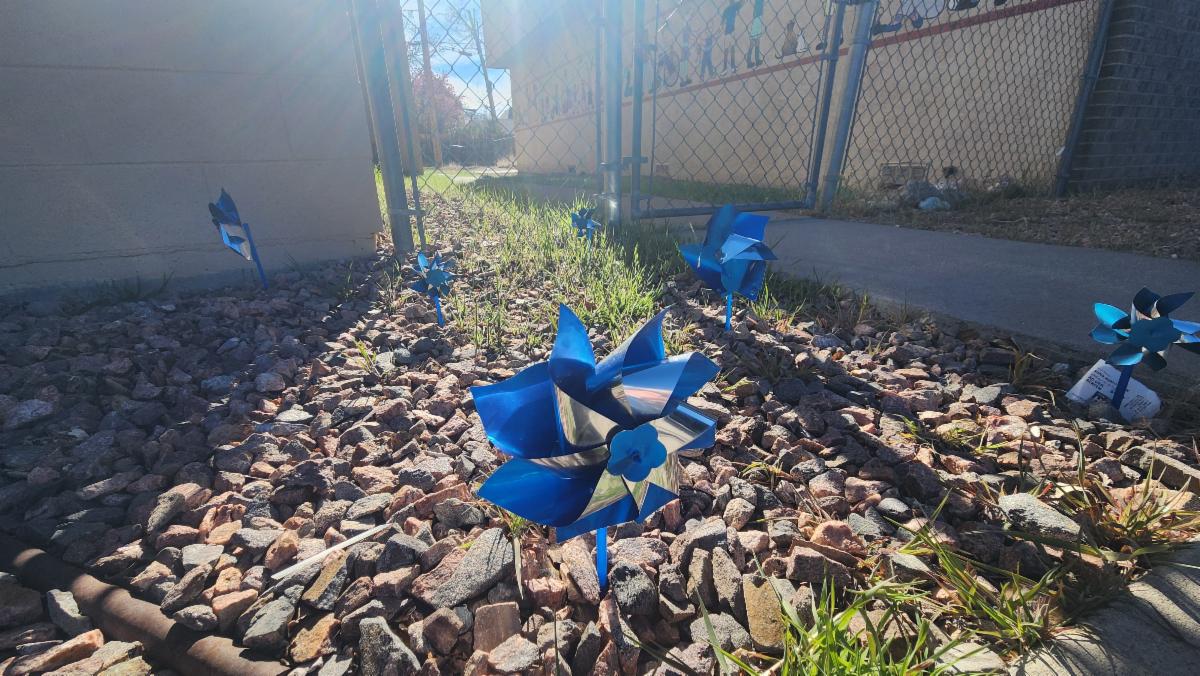
Blue pinwheels are displayed outside our building as a reminder of the violence free and safe lives all children deserve.
 

Written by Family Advocate Tiffany Martinez

Every April, people all over the country take time to focus on something really important: keeping kids safe from child abuse and neglect. This month is a reminder that we all play a part in protecting children. It takes everyone including families, schools, and the community working together to make sure kids are safe and adequately cared for.  

Child Abuse Prevention Month started back in 1983 as a way to bring more attention to this issue and highlight ways to prevent it. Before that, there was a Child Abuse Prevention Week in 1982, but leaders realized more time and awareness were needed. Since then, April has become a month-long effort focused on raising awareness, sharing resources, and reminding people that protecting kids is something we all have a part in

During Child Abuse Prevention Month communities focus on outreach to teach people how to keep kids safe and supported. One of the most recognized symbols of CAPM is the Pinwheel, or rather, the Pinwheels for Prevention campaign. This was started in 2008 by Prevent Child Abuse America. The pinwheel was chosen because it represents the happy and healthy childhood and the safe and carefree life every child rightfully deserves. Today, you’ll see pinwheels placed in yards, parks, and around communities as a reminder that we all have a role in preventing child abuse and creating safe spaces for kids to grow and thrive in.

Since 2013, the Children’s Advocacy of the San Luis Valley (SLV CAC) has been serving kids and their non-offending families in our community by empowering them. Ensuring their safety, and supporting them to get the help they need if they have been victimized. 

One way we raise awareness during Child Abuse Prevention Month is a poster contest which is usually done in collaboration with local elementary schools. Every year, kids from kindergarten through fifth grade participate. This year the theme is “Keeping Kids Safe in the Digital Space.” We offer a short presentation on digital safety, and then the kids create drawings inspired by what they’ve learned, and based on what they envision the topic to look like for them. It’s a way to get them thinking about how to stay safe online while also letting their creativity shine. We then select a first, second, and third place winner in each grade. The winners are given prizes and their drawings are turned into a campaign poster for Child Abuse Prevention month the following year. Those posters are then placed all around the San Luis Valley so everyone can see the kids’ creativity, learn about the SLV CAC’s services, and learn more about how to keep children safe.

Child Abuse Prevention Month plays an important role in helping kids feel supported and informed. Teaching children how to stay safe at home, at school, and online helps them know what to do if something doesn’t feel right. But it’s not just up to kids. Parents, teachers, and the entire community all have a part to play. When we stay aware and speak up, we can help prevent abuse and create a safer place for every child.


Welcome to the new Tu Casa, Inc. Blog! As we’ve started to reflect on the past year, we decided we wanted to create an opportunity for you all to stay connected with us in a more meaningful way. This blog will seek to expand your knowledge on what Tu Casa, Inc. is, who the incredible members of this small, but fierce, team are that keep Tu Casa, Inc. operational, and to share the passion we have about the work we do here to support survivors in the San Luis Valley. 


To view a blog post, please feel free to click on the Blog Topics below! 

2024 @ Tu Casa, Inc.


Empowering Tomorrow's Relationships: The Crucial Role of Healthy Relationship Classes for Teens

Unmasking Digital Dating Abuse

The SANE Program & Providers

Child Abuse Risk Factors

CAPM: Supporting Survivors & their Caregivers

SAAM: Supporting Survivors of Sexual Assault

Advocacy in Action: A Recap of

SAAM and CAPM Initiatives by Tu Casa, Inc.

MMIW: Healing Begins with a Voice

A Safe Refuge: The Crucial Role of Domestic Violence Shelters in Small Communities

A TCI Blog: LGBTQIA+ Communities are Underserved Populations

A TCI Blog: Important Film Spotlight: Raising Awareness About Domestic Violence, Sexual Assault, and Child Abuse

A TCI Blog: Finding Housing after Leaving an Abusive Relationship

A TCI Blog: February is Teen Dating Violence Awareness Month

A TCI Blog: A Survivor Story

A TCI Blog: Supporting Survivors of Domestic Violence and Sexual Assault as a Family Member

A TCI Blog: Light Up SLV for DVAM written by Family Advocate Janine Jiron 

A TCI Blog: Consider Donating for Colorado Gives

A TCI Blog: There’s Still Time to Donate in 2025

A TCI Blog: Stalking and Human Trafficking Awareness Month

A TCI Blog: TDVAM- What It Is and How You Can Help

A TCI Blog: Why Teens Stay in Unhealthy Relationships A TCI Blog

A TCI Blog: The Impact of Child Abuse on Child Development

A TCI Blog: My Story: From Fortress to Freedom

A TCI Blog: The History of Child Abuse Prevention Month and the Crucial Role of the CAC

A TCI Blog: SAAM - Trauma Informed Care and Why it Matters

A TCI Blog: May is Mental Health Awareness Month: the Vital Role of Mental Health Services for Survivors

A TCI Blog: What Makes LGBTQ+ Domestic Violence Unique?

A TCI Blog: The Role of the MDT in Protecting Children

 A TCI Blog: Understanding the Role of a SART in the Community

A TCI Blog: Every1 Knows Some1